Most books disappear. Yours doesn't have to.
I work with a small number of authors to turn their book into a strategic asset, one that builds authority, opens doors, and works long after publication day.
© Copyright 2008-2026 Matt Kinsella. All Rights Reserved.

About
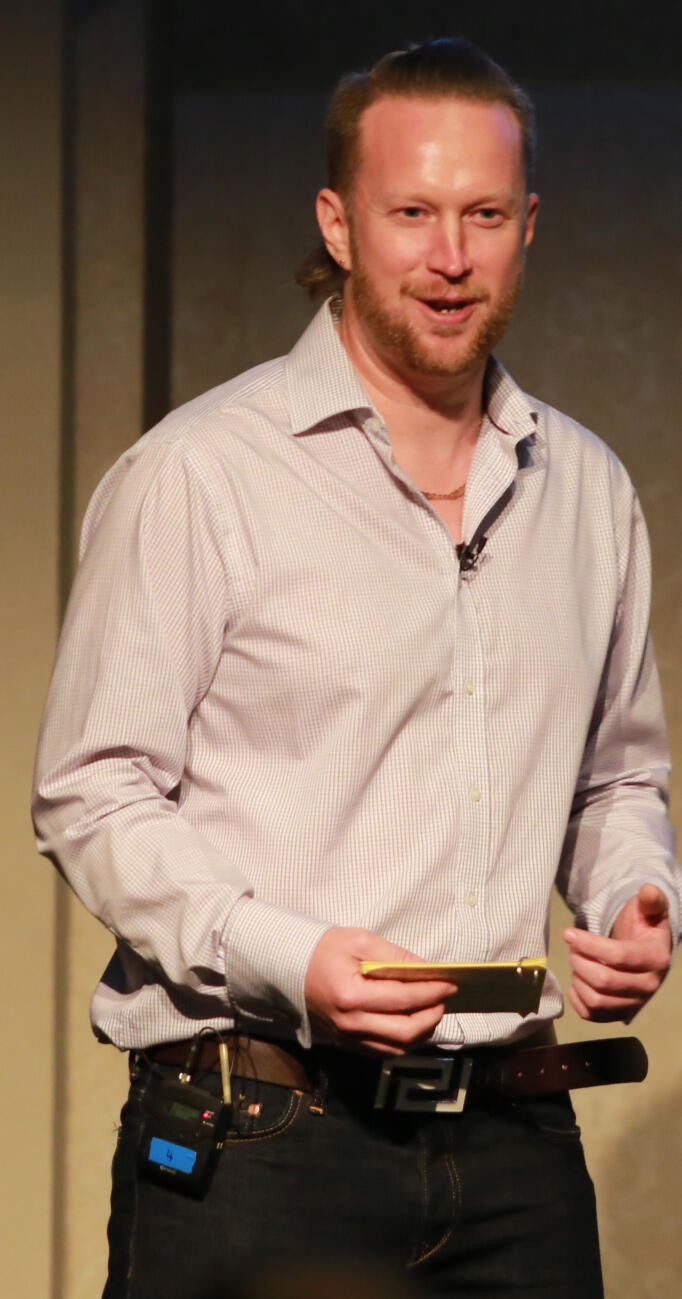
I'm Matt Kinsella. For almost 20 years I've helped authors and professionals turn books into genuine commercial assets, not vanity projects that gather dust. Long enough to have seen every mistake authors make, and exactly what separates the books that build careers from the ones that don't.I've worked with authors at every stage, from a book that was barely an idea to titles that had stalled and needed a new direction. A number of those have gone on to become bestsellers.Most book marketing advice is either generic or actively misleading. I work differently: as a strategic advisor who thinks about publishing the way a business strategist thinks about product launches, with a clear goal, a defined audience, and a plan that outlasts the launch window.I work with a small number of clients at a time. If you're serious about what your book could achieve for you, let's talk. You can apply for a complimentary strategy call by clicking the button below.
© Copyright 2008-2026 Matt Kinsella. All Rights Reserved.

Work With Me
Application For a Complimentary Strategy Call
The strategy call is a focused 45-minute conversation about your book or potential book, where it is now, where it could go, and whether there's a fit for us to work together.It's not a sales pitch. It's a working conversation. You'll leave with clarity on what your book needs, regardless of what you decide.I take a small number of these calls each month. If you think there might be a fit, tell me a little about where you are and what you're hoping to achieve.
© Copyright 2008-2026 Matt Kinsella. All Rights Reserved.

Articles & Insights

Your Book Should Be a Million Dollar Asset. Here's Why It's Not:
By Matt Kinsella - April 9th 2026
What Is an Asset and the Truth of Passive Income Nobody Wants To Talk About.
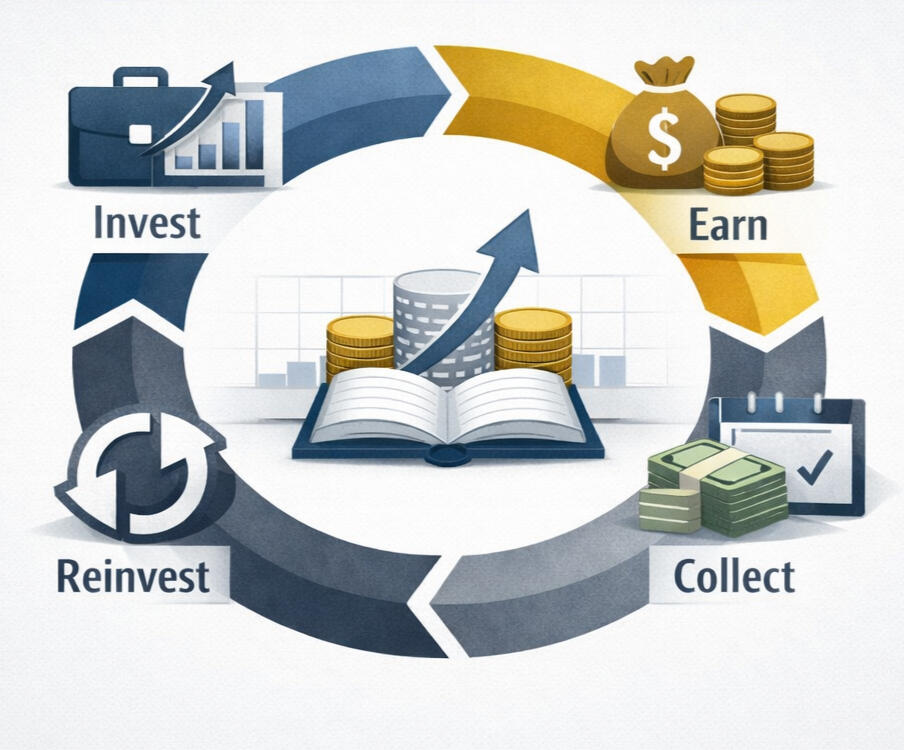
The concept of a passive income has been a subject that has taken off over the last 10 years and it’s an easy idea to sell to people because it’s enormously appealing. To make money while we sleep via some mechanism or business that runs itself is the dream but the reality is very different.To be completely honest I could write an entire book about this subject but to save you from all the details, the truth is no income is truly passive and the only thing close to it can only be implemented with assets. If you buy a property you can receive rental income or if you buy enough good dividend stocks then you can receive a reasonable income in annual dividends. There are other examples but you get the point, you invest money, you get a percentage cash income based on the value of your investment.In these cases the amount of income is only directly related to the amount of money you invest. If you invest a million dollars in stocks with reasonable dividend returns you could (if you do it right) receive upwards of fifty grand a year in direct income, plus the increase in stock value. The results would be similar when investing a million dollars in commercial real estate. To receive $50,000 in cash income per year, you’d need to invest a million dollars in cash. These are also good to best case scenarios, just a few bad choices or some lack of knowledge could lead to yearly income returns of less than half that, so your million dollar investment might only get you $10,000-$20,000 in the first few years.What If You Don’t Have a Million Dollars?
There’s only one other way of acquiring an asset and that is to create one out of thin air, this is not easy or straightforward and let’s face it, if it was, absolutely everyone would do it. This can take many forms, a master cabinet maker when making some furniture from just piece of would has created an asset with his bare hands. It might only be a $500 dollar asset but it’s one he can sell and make money. However a table is not an asset that can create an annual income, in financial terms it’s more like a commodity like gold, not dividend return stock. An asset that returns annual royalties would be something like music or a book. Paul McCartney receives millions of dollars a year in royalties for music he created decades ago with just his effort, work and talent, that’s a passive income from a built asset. This is an extreme example but there are thousands of unknown artists creating music for ads, radio jingles and basic beats used in other’s music who receive good royalty incomes every year.The one thing that tracks hard and fast between bought assets and built assets is the rule that ties the amount invested to the amount returned. When buying an asset it’s the amount in cash directly invested, when building an asset it is work, effort and time (plus money if you want to take shortcuts). If you do use money to take shortcuts with your built assets, the amount of money is also directly related to how much time or work you want to save yourself, you can’t expect to spend $25,000 dollars to save you half million dollars of time and effort.A Book As a Built Asset.
A book is one of the few strategic assets you can create alone with no money and it can generate value repeatedly until the end of time. If done right. Unlike a service which requires your time, every time, or a basic product that you can only sell once.It is important to recognize when building an asset like a book, it’s a long game but not just time based long game, a book appreciates through effort and strategy over time, not just time alone or a once only burst of effort at launch.When creating a book as built asset and re-evaluating one that has already been published a vital question to ask is: What is this book selling? This might seem like a straightforward question for business books but what about fictional novels? The truth is these days one book is not enough, it needs a sequel, preferably a series or at the very least a Netflix or movie deal. All the big publishers know this and the first book from from an author will make a loss when accounting for marketing and promo costs.This is also the reason it’s so hard for even the best business or self-help authors to pick up a publishing deal because the publishers know the follow-up income is going direct to the author in speaking gigs, consultancy work or just other income flowing directly to the authors business, not the publisher. For a fictional author, the publisher needs to bank on follow up books and tie that author into a lengthy contract for all rights, future books, TV, film, merch etc.So, what is your book selling? The next book? Speaking gigs? Consultancy? Film rights? Merch? PR for your existing business? Credibility for career advancement? What?A properly marketed book with consistent sales (doesn’t need to be big sales, just consistent) builds an audience that belongs to you, that audience compounds over time. That in itself is a very valuable asset. What’s in your pipeline to sell to that audience?Why Most Authors Never Get There.
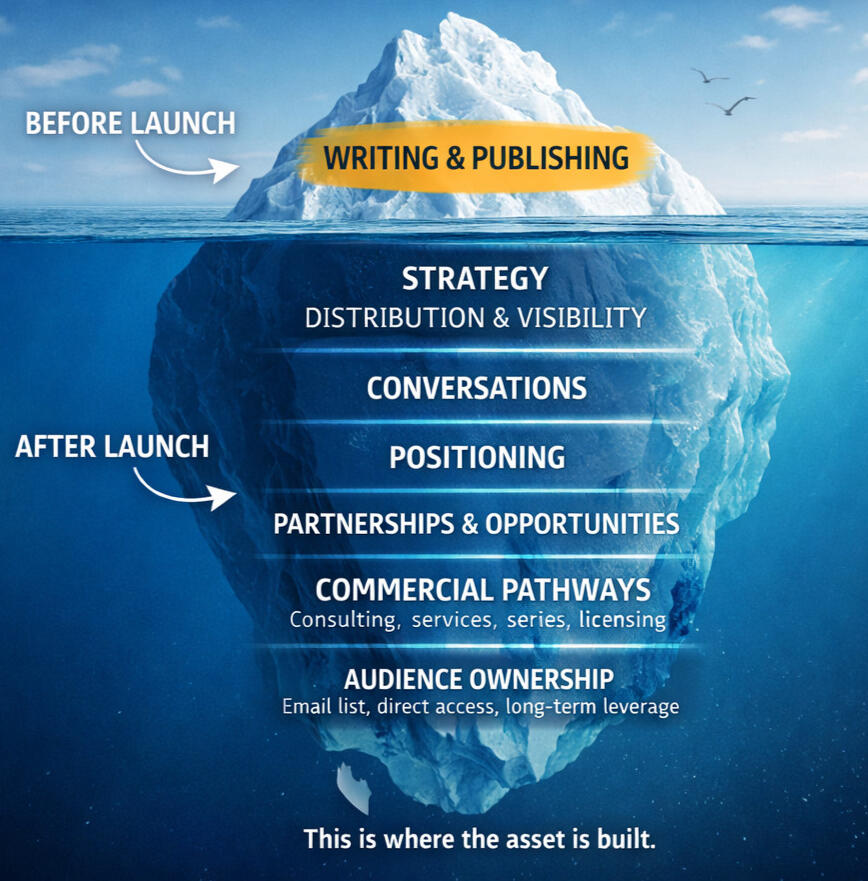
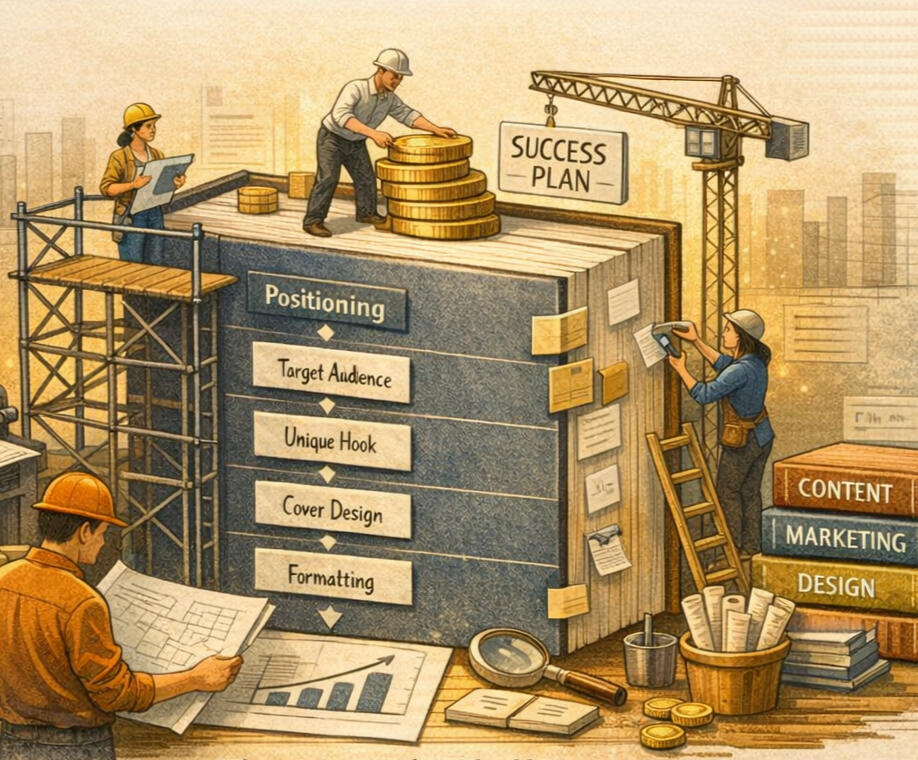
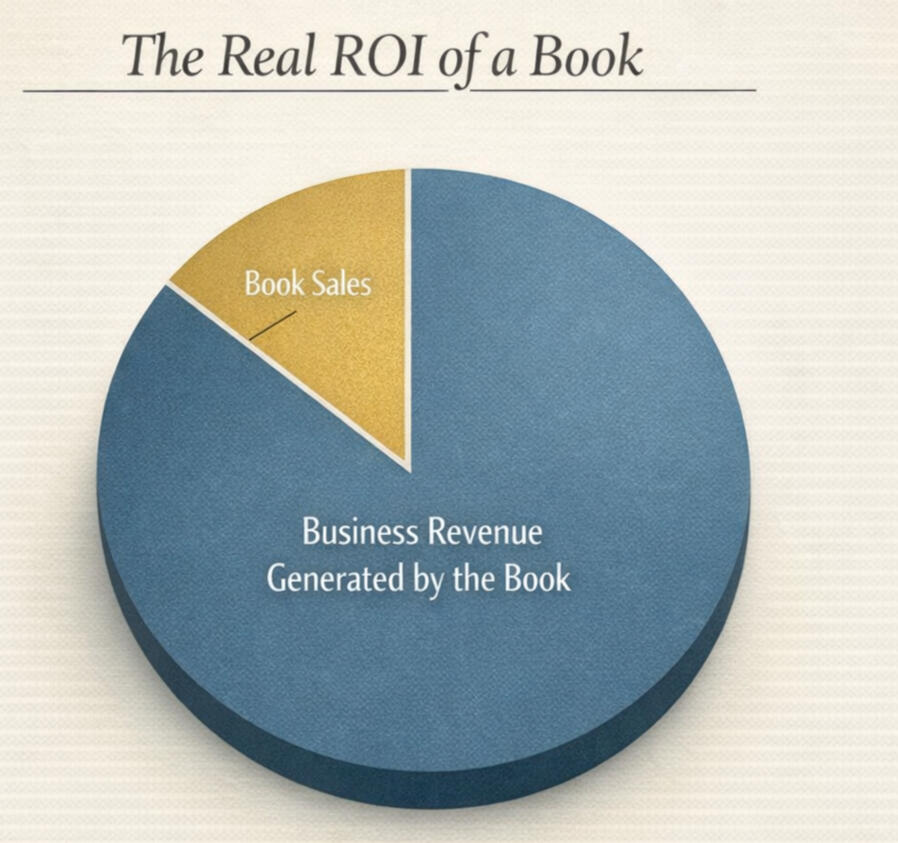
Following on from this previous point, it’s imperative to have a strategy beyond that one book. Whether it’s a sequel, series, consulting, selling course, the revenue streams leading from the book needs to be the beginning of an ecosystem, never a standalone book.Authors believe the investment needs to be made in writing, editing and launch when in reality that’s just 20% of the project. Some have a launch and done mentality and some understand that it requires more but few keep enough energy, enthusiasm and resources in reserve to continue into the long term. A book launch is not a finish line, in many ways it’s the start.There needs to be a mindset shift from just a creative project to creating a strategic asset, that’s exactly the mindset and approach a successful publisher would take, regardless of the subject or the authors feelings on creativity. Be able to wear both metaphorical hats but also able to separate yourself as the creative author and the commercial asset builder. This mindset shift can change everything.Authors need to take ownership of their audience, it’s a huge part of the asset. Most authors rely entirely on Amazon and don’t lead their following to their own website and email list. If you don’t truly own your audience then you don’t fully own your asset.Many authors navigate publishing and marketing alone or with little guidance and support. I have been working with authors for almost 20 years in this field and the overriding statement I hear is: “I wish I’d heard this earlier, I could’ve saved so much time and money”.The publishing and book marketing industry is both complicated and forever changing, there are very few people in the independent publishing sector who truly understand it and even fewer who truly understand the commercial aspects. Getting no support in this area of publishing for an author, or worse the wrong guidance is where years of potential value quietly but painfully disappear.If you think you'd benefit from a complimentary strategy call with me, click here or the "Work With Me" button at bottom of this page.
➥Next Article: The Publishing Industry Created These Myths and Authors Are Still Paying The Price
Home | About | Work With Me | Articles & Insights
© Copyright 2008-2026 Matt Kinsella. All Rights Reserved.

The Trade In Trust
Why your 2015 sales and marketing strategy is failing you now and what to do about it.
By Matt Kinsella - July 6th 2026


I was recently in a room full of sales and marketing executives, working through a list of things that are quietly breaking client acquisition for professional services. I could relate to every one of them, as a business owner selling my own services, and as the exact kind of skeptical prospect on the other side of someone else's pitch.• Trust in advertising is low enough that most of it gets ignored outright
• The noise is constant, and AI-generated content has made it worse
• Genuinely good professionals are struggling to differentiate themselves from the noise
• Anyone can claim expertise, so expertise itself means less
• Newsletters and funnels feel transactional, and prospects can tell
• High-value clients are the most skeptical of all, and the hardest to reach
• Even referrals aren't as reliable as they used to be, and don’t always bring in the right clientI spent two weeks turning this over, and what I landed on is something I'm calling the Trade in Trust.Here's the thesis: trust doesn't live in any of the channels on that list. Not ads, not social, not AI content, not funnels. Even referrals, which come closest, are inconsistent, hard to generate for a new business, and often the wrong caliber of client for an established one.Why referrals work when they doThe best referrals don't feel like leads. Someone calls, tells you who sent them, and asks when you can start. There's no selling involved, because “the selling” already happened, just not by you.What's actually being transferred is trust. Someone did good work, built a track record of results, or at least conveyed enough knowledge and the person they're talking to is now willing to stake their own credibility on a recommendation. It's a transfer, not trust built from scratch, which is why it moves so fast. But it depends entirely on someone else's memory of you, their relationship with the person they're recommending you to, and the size of their own reputation. You don't control any of that. It's a great mechanism, and you can't manufacture it on demand.The TradeThis is where the Trade in Trust comes in. If you can't manufacture referrals on demand, the next best move is to manufacture the thing that makes them work in the first place, the same time and attention that lets a stranger arrive at trust before you've ever spoken to them.So what actually fills that gap? It can't be another rented channel because the whole reason a referral carries weight is that it exists outside the pay-to-play attention economy. No algorithm decides whether it reaches someone, no ad spend buys the belief behind it. It also can't be something a sharp prospect will file under "more noise", AI content overload, anyone/everyone claiming expertise and email newsletters that feel transactional. Sophisticated buyers have gotten very good at telling genuine depth apart from performative, and most content on that list reads as basic performance, which is quick to produce, quick to ignore.What they can't dismiss that easily is a book. Not because a book is magic, but because it's difficult and expensive to fake. Writing a good one signals a level of time, thinking and investment that a stranger can feel, even if they couldn't tell you why. It runs directly against the instinct to compress everything into a 7 second pitch. It's the one format your most skeptical, highest value prospects still trust enough to vet you before they'll take a meeting.A couple of assets come close to doing what a book does. Commissioning or publishing original research, a proprietary study, survey, or data report carries real weight, because good data is slow and expensive to produce, and a prospect can usually tell real research apart from a marketing wrapper dressed up as one. Building a genuine speaking career works on a similar principle: conference organizers don't hand a stage to just anyone, so an invitation to speak carries some earned credibility by association. Ironically speaking invites often come off the back of writing a decent book.Both original research studies and speaking engagements are legitimate but neither of them does the whole job.A study proves you know something. It doesn't prove you understand the terrain around it, like the judgment and pattern matching that make a piece of data usable rather than just interesting and academic. Its shelf life is short too, data ages, and the asset built on it ages quickly.A speaking career solves a different problem than the one you actually have. It depends on someone else's stage. Every keynote is a rented slot, borrowed from an organizer's platform for 40 minutes, and your reach stops at the edge of the room unless somebody else decides to film and distribute it. It's the referral problem again, just wearing a different outfit, you don't control the timing or the volume.A book solves what both of those miss: It doesn't need a stage, and it doesn't go stale the way a single data set does, it sits in a prospect's hands indefinitely, on their own schedule. It also does something neither research nor speaking does: a well-marketed book with genuine reviews and press collects its own trust transfer. Every Amazon review, every endorsement and every piece of coverage it earns is, functionally, someone else vouching for you to a stranger they'll never meet. The same mechanism that makes a referral work, except it compounds without you ever having to ask.A well-positioned book does the specific job a referral does. It gives a prospect the space to sit with what you know, decide you're credible, and arrive at the first conversation already sold, not on a pitch, but on your thinking and authority. You're not trading one marketing tactic for another, you're trading channels that rent trust by the click or the post for one asset that keeps paying out.That's the trade: stop competing for attention in channels where trust is degrading, and put the work instead into something that builds it permanently.Why this actually holds upSkeptical prospects still make an exception for well presented and positioned books. Finance and business titles make up roughly a quarter of all adult nonfiction print sales in the US, north of 80 million copies a year, and that's before ebooks are counted. Finance titles alone move an estimated 50,000 print copies a day. Educated, high net worth clients, the exact audience most professional service businesses are chasing, still treat a book as a legitimate way to vet someone before they'll inquire.That's not nostalgia. That's a prospect doing your qualifying for you, for free, before you've spent a dollar on ads or a minute in a discovery call.If your growth has stalled, this is usually whyIf your pipeline depends on referrals and ads, but the right prospects have gotten harder to generate or lower in quality, that's not a sign you're doing something wrong. It's a sign the trust transfer engine you were relying on was never yours to control in the first place.A book is one of the only ways to build that same trust and put it under your own name, on your own timeline, without waiting on someone else's goodwill.If you're a financial advisor or other professional services provider weighing whether a book fits into how you grow your business, that's exactly the conversation I have with clients before anything gets written. Apply for a strategy call to find out if it's the right move for you.

➥Next Article: Your Book Should Be a Million Dollar Asset. Here's Why It's Not:
Home | About | Work With Me | Articles & Insights
© Copyright 2008-2026 Matt Kinsella. All Rights Reserved.

The Publishing Industry Created These Myths and Authors Are Still Paying The Price
Unraveling the truths of getting published and getting paid
By Matt Kinsella - April 15th 2026
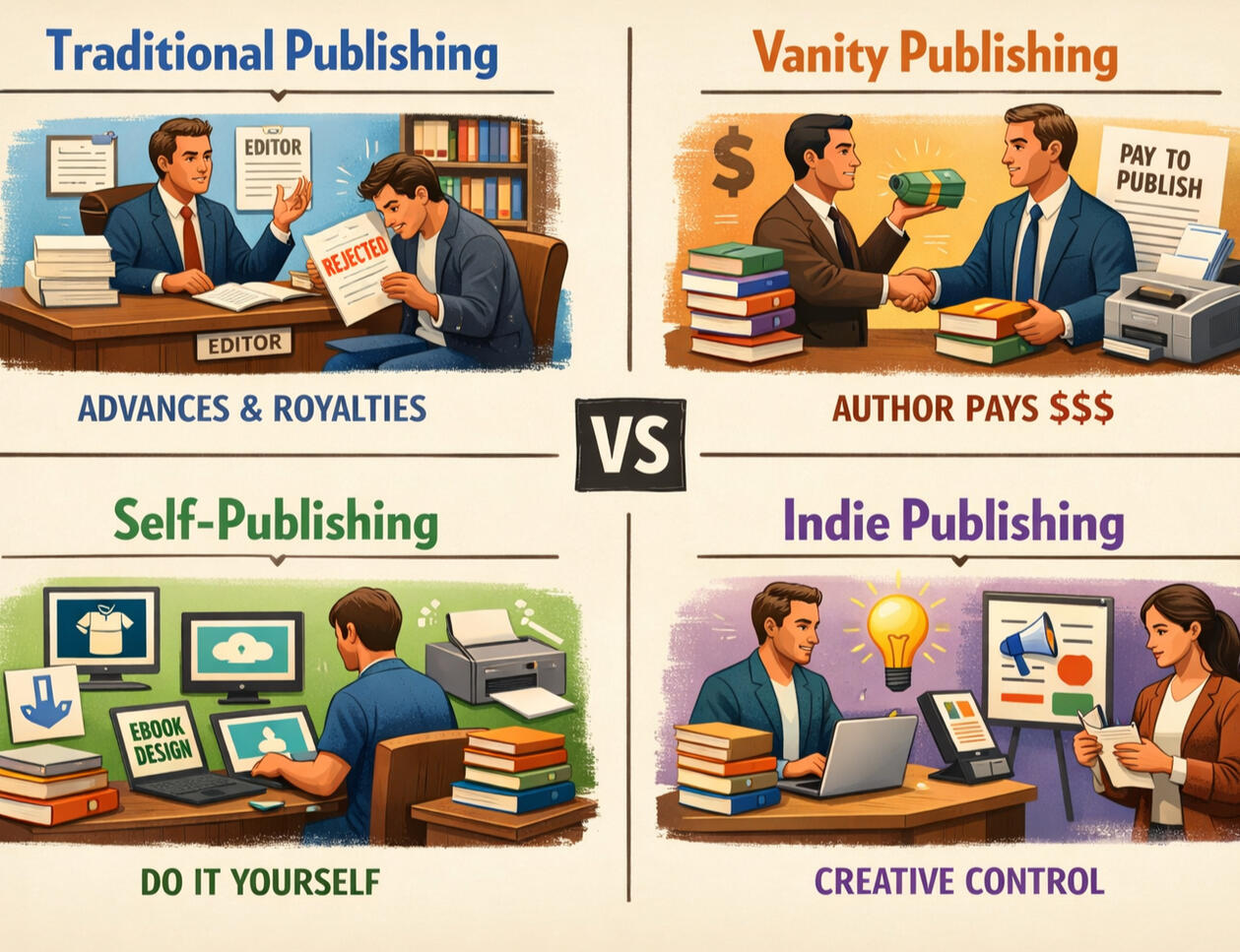
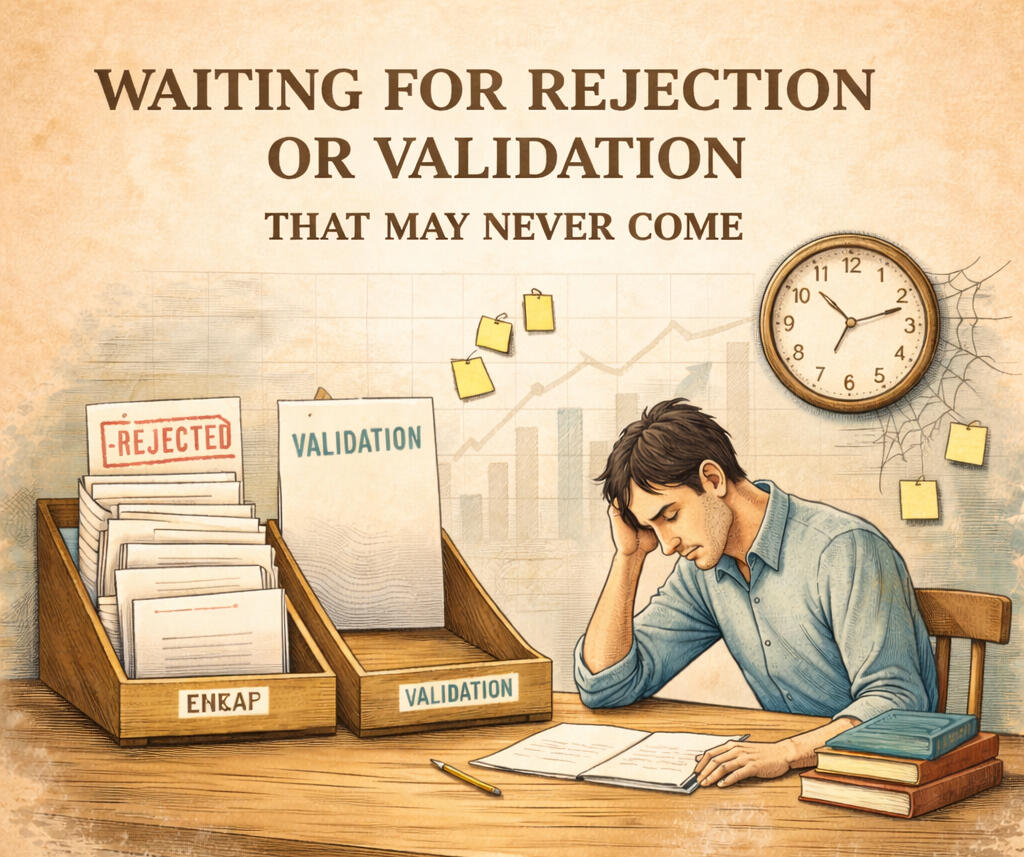
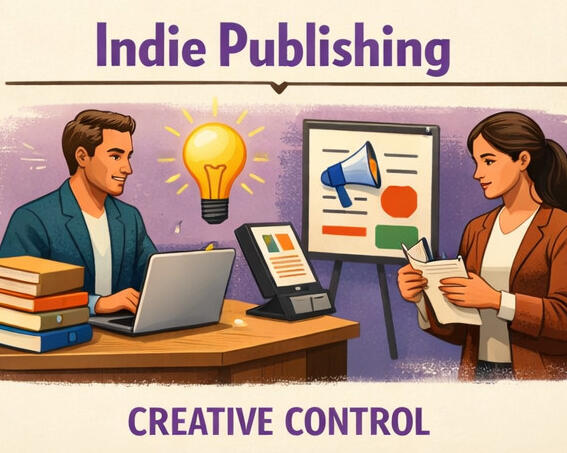
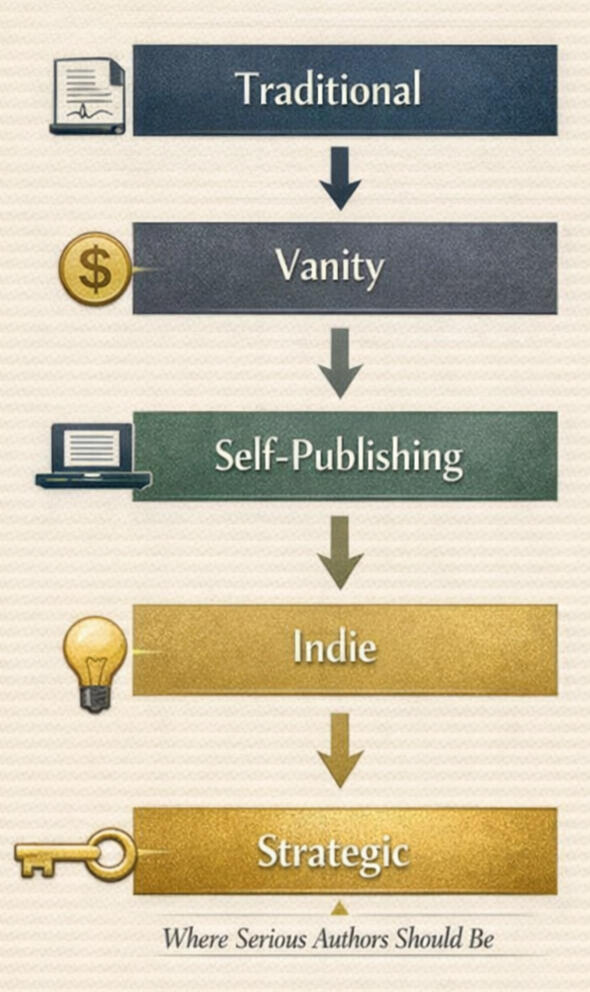
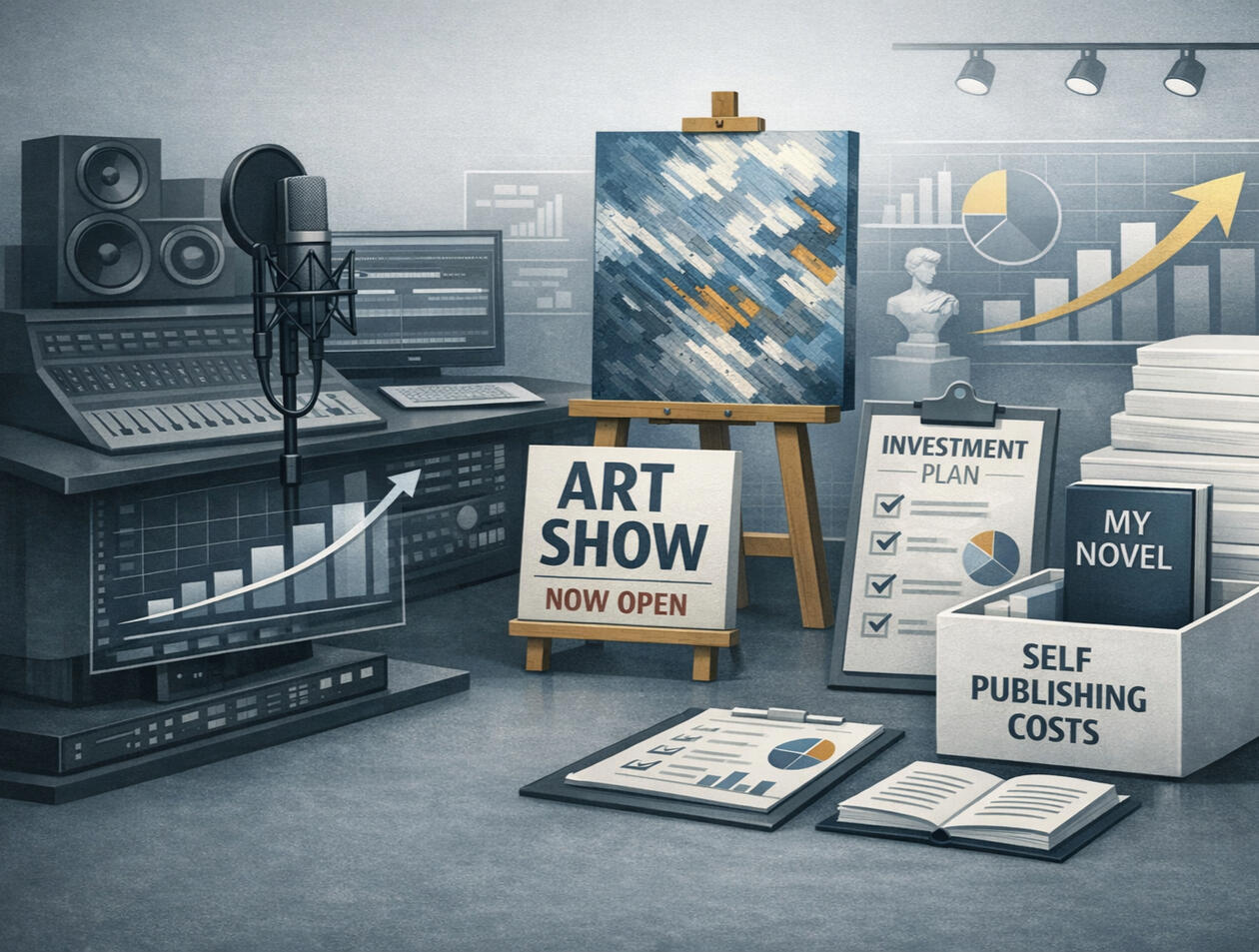
The publishing industry has spent decades making sure you never ask the right questions, so they remain in control of both the authors and the market in general. The debate they'll happily let you have is traditional publishing versus self-publishing or vanity publishing because that's a debate they usually win. The argument and debate they'd rather not have is traditional publishing versus independent publishing. That's a different fight entirely, and it's one they often can’t win. Traditional publishers don’t want to lose control and revenue to authors but they can and in many cases they should.Before I go further there’s an elephant in the room that I want to address upfront and that is a phrase that has done more damage to author careers than any rejection letter. It sounds like advice. It is often repeated by well-meaning friends, family members, and people who know just enough about publishing to feel confident saying it. The phrase is this: Nobody should pay to get published.It originated as a warning, and a legitimate one. For decades, vanity publishers exploited aspiring authors by charging thousands of dollars to produce books that went nowhere, reached nobody, and existed purely to separate writers from their money. In that context the advice made sense. Don't pay someone to take advantage of you, but somewhere along the way, a warning about exploitation became a blanket statement about self-publishing and independent publishing.That blanket statement is now one of the primary reasons talented authors with genuinely valuable books are still sitting on their manuscripts, waiting for a permission slip from an agent or big publisher that was never coming anyway.The reality is every professional in every industry invests in the tools, skills, and support they need to do their work properly. Architects pay for software, photographers invest in equipment, musicians fund their own recordings, all of them pay for marketing and promotion. Nobody tells them they shouldn't have to pay to do their work. Writing the book is your craft, publishing it professionally is the business of getting that work into the world. Those are two different things and conflating them is costing authors everything.Perhaps you only just started work on your book, maybe you went straight to self-publishing or maybe you spent months or years of query letters, contacting agents and getting rejected before considering your other options. In any case there’s months or years wasted if you don’t consider your publishing options now.Some of the most successful authors of the last two decades were rejected by traditional publishers but still became successful by independently publishing their work (note I didn’t say self-publish). These authors were not rejected by traditional publishers because their writing and ideas weren’t good enough, it’s because nobody was willing to risk the investment except themselves. Traditional publishing isn't in the business of taking risks, it's in the business of managing risk and maximizing profits. What these authors did next is what various sectors of the publishing industry would rather you didn't know about because they found success outside traditional publishing, not in self-publishing or vanity publishing, but success through independent publishing.These well known authors were rejected by traditional publishers but went on to independently publish:John Grisham – Probably one of the most famous authors who couldn’t get a publishing deal so he independently published A Time to Kill and initially he would even sell copies from the back of his car. Eventually he built up enough momentum and a loyal following, so the industry eventually came to him.Robert Kiyosaki – Every major publisher and literary agent passed on on Rich Dad Poor Dad because it was supposedly too niche and not commercially safe enough. Kiyosaki independently published it anyway and it has since sold over 32 million copies. It remains one of the bestselling personal finance and self help books ever written.Amanda Hocking – Had seventeen novels rejected by publishers. Rather than keep waiting, she independently published nine books and sold half a million copies in less than a year.Colleen Hoover – Hoover independently published her debut novel Slammed in 2012, initially just so her mother could read her novel on her Kindle, within months it hit the New York Times bestseller list and later that year she independently published Hopeless. Later, after getting a publishing deal her publisher passed on her book Verity at the idea stage, thinking it wasn’t worth her working on, she wrote it anyway and independently published again. It became her highest selling book ever.It’s also worth noting that most of these went on to get a lucrative publishing deal with big publishers after the authors and their books proved themselves independently. So independent publishing does not have to be the end of the road for authors within the wider publishing industry, these days it is often the start or at least the action that kicks open the door and gives the author maximum leverage. Vanity publishing or basic self-publishing will not create the same opportunities or leverage.Shockingly I speak to authors every day who don’t know the difference between traditional publishing vs independent publishing vs self-publishing and many of them still call independent publishing vanity publishing, without understanding any of the differences and where they are leaving a lot of money and credibility on the table just to search for validation and permission from a traditional publisher or literary agent. Let’s explore those differences quickly, how they impact you as an author and how you can influence your own success, either with your existing books or future work:Traditional Publishing
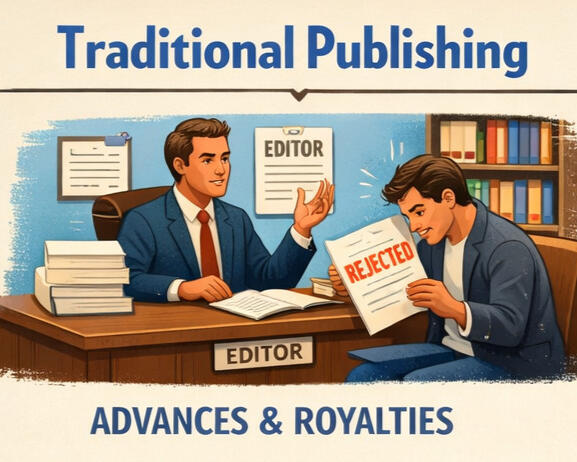
The traditional publishing industry is only a commercial risk filter, and not always a good one. When a publisher rejects a manuscript, they are not making a judgment about the quality of the writing they are making a calculation about a very narrow window of risk. Can this book sell enough copies, to a wide enough audience, to justify any investment? That question has nothing to do with whether your book is good, necessary, or valuable to the people it was written for.For the authors who do get through that filter, the reality of the deal they are offered rarely matches the dream. The average royalty rate from a traditional publisher is 10% of net sales. The advance is simply an advance against those future royalties. Most traditionally published authors never see another penny beyond that initial payment. The publisher owns the rights, controls the editing, cover, and formatting, sets the price and decides the marketing budget. Publishers very often let books go out of print with little or no consultation or meaningful recourse for the author. You wrote the book, but it is no longer yours.In the examples above of authors who independently published and were rejected and went on to become some of the bestselling authors of all time in their categories, there may have been some foresight from the publishers who rejected them that huge sales were possible but to them the risk was too great. Traditional publishers will always take the option of no risk for guaranteed sales of 400,000 copies of a terrible book from a known author or celebrity rather than take any level of risk on a book that might sell 10 million copies. So they are definitely not taking any chances on a book that might only sell 100,000 copies. You might think you know a new author with only one book and no history who got published at their first attempt but the reality is they likely independently published first or had an established writing career as a journalist. There are zero risks taken in traditional publishing now.The question was never whether your book was good enough for traditional publishing. The question worth asking is whether traditional publishing was ever good enough, or right for your book.Vanity publishing
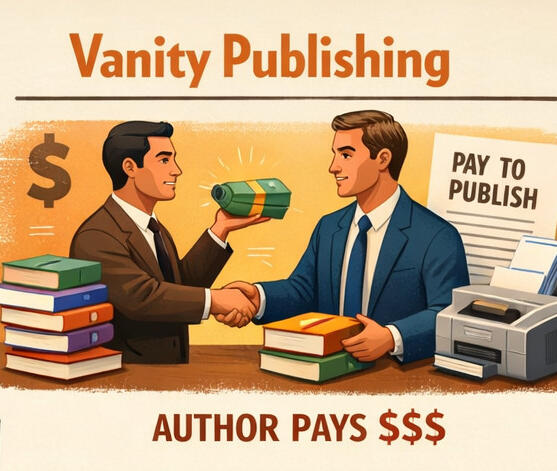
Vanity publishing is predatory in nature, you pay, they take your money, they print a few boxes of books and send them to you (if you’re lucky), nothing meaningful happens. No editorial standards, no ongoing assistance or any service beyond printing a few books for you. I implore all authors to avoid any conversations, contact or consideration of this. In short: Save your money.This is just a transaction dressed up as a publishing deal. Vanity publishers prey on the desperation, lack of knowledge and lack of skills of authors who have been rejected and want to see their book in print. They take your money, hand you a box of books, and disappear.The reason the stigma around independent publishing exists at all is largely because vanity publishing spent decades operating in the same space and poisoning the well for every serious author who came after. The traditional publishing industry ran with this phrase of vanity publishing to wrongly conflate all areas of self-publishing and independent publishing with the same shallow sector of publishing. The terminology of vanity publishing also puts the insult on the author, not the grifter who preys on innocent authors. This is not by accident, it’s intended to put authors off the idea of independent publishing all together so the big publishers can retain control and the lions share of revenue.Unfortunately, the independent publishing space has a predator problem that goes beyond the established vanity publishers that have exploited authors for decades. You only have to spend five minutes on LinkedIn to see the volume of inexperienced, low-skilled opportunists attempting to profit from authors who are simply trying to get their book out into the world. If you have been working on your book for any length of time, the chances are you have already been on the receiving end of their aggressive sales tactics.This matters because the damage these operators do extends far beyond the authors they exploit. Every author who gets burned by a grifter becomes harder to reach for the legitimate professionals who could actually help them. It has created a market where trust has been systematically eroded.The people who need the most help are the most reluctant to ask for it, and distinguishing between genuine expertise and a convincing sales pitch has become one of the most important skills an author can develop. Knowing who to trust and how to tell the difference is no longer optional, it’s part of navigating independent publishing successfully.Sadly I've spoken to many authors who wasted thousands of dollars on vanity publishing and similarly worthless services. The hardest part of those conversations is the simple math; had they invested the same money in a proper independent publishing strategy, many of them would have achieved real results and quite possibly turned a profit. Instead they have nothing to show for it. Or perhaps just a few boxes of unsold books gathering dust in the garage.Self publishing
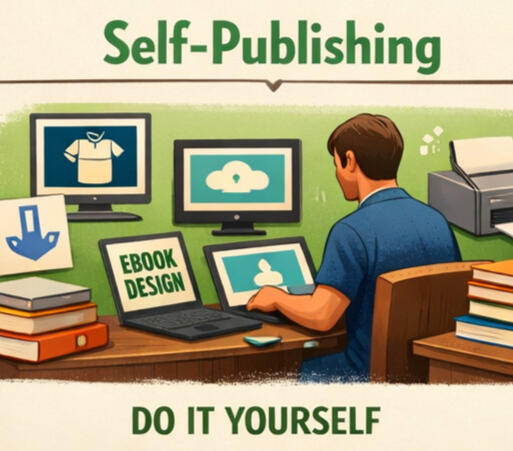
Self-publishing is presented as the democratic solution available for those who can’t get a traditional publishing deal or simply want to do it themselves for a multitude of reasons. The open door that traditional publishing kept firmly closed and in principle it is. Platforms like Amazon KDP and IngramSpark have made it genuinely possible for any author to get their book into the world without a publisher, an agent, or anyone's permission. This is all true and absolutely real.It’s one of those situations where it’s great you can do it all yourself but also not great that you do it all yourself. It costs little or nothing, you have full control but it’s not easy to do well, in fact to achieve just a mid level result takes high levels of varied skills and insane amounts of work, in many areas. You may get a cheap cover designed on Fiverr or some basic editing done by someone you found on LinkedIn, but at this level it’s still self-publishing.Take cover design as an example. I regularly work with authors who already have artwork they love and want to use and in some cases it's genuinely good work. But having a great image and having a decent book cover are two entirely different things. A complete cover requires a front, back and spine, precise bleed margins, cut lines, spine folds, a barcode in exactly the right place and dimensions that change depending on whether it's a hardback or paperback, and the spine width changes based on page count. All of it needs to be formatted into a print-ready file that meets the exact specifications of the platform or printer. This is standard practice for traditional publishers because they have specialists who do nothing else.
If there's no existing artwork at all, add research into comparable titles, analysis of what imagery sells similar books, and the full design process from concept to approved final file. You can skip all of that and use the cover tool on KDP or similar but that will produce exactly the kind of cover that signals to every reader that this book is low budget and self-published. That's just one element of one part of the process. Now multiply that across every other component of publishing a book professionally and ask yourself honestly: How many of those are you equipped to do well?It’s not easy to describe everything that happens between writing a book and publishing it to just a reasonable standard. Editing, proofreading, cover design, interior formatting, metadata optimization, pricing strategy, distribution setup, category and keyword research, review generation, launch planning, advertising and on-going marketing strategy are just a few examples and that's before you've sold a single copy. Each of those is a skill in its own right and any of them done poorly is potentially visible to every reader who encounters your book. Most authors who go down the self-publishing route are attempting all of them simultaneously, often for the first time, whilst still holding down a job and living a life.The result is a book that looks self-published, maybe not to the author who is so invested in it, but to everyone else, it’s obvious. Not because self-publishing inherently produces bad books, it doesn't have to, but because doing it properly requires a rare combination of skills most people don't have, or the years to develop them, which most people don't have either. The very rare cases of authors who succeed at pure self-publishing are usually the ones who treat it as a full-time profession for many years. For everyone else, there is a better option.
Independent publishing
Around fifteen years ago I was offered a traditional publishing deal. I had spent years building contacts in the industry and had secured a meeting to present my manuscript. At the end of that meeting they offered me a contract, the standard arrangement, ten percent of sales revenue. I was delighted of course delighted and they asked me to come back in a week when they could discuss terms in more detail. Directly after the initial meeting one of the people in that room, someone I had built a genuine professional relationship with over many years, asked to speak with me privately before I signed anything.What he showed me that day changed everything. He picked up a copy of a self-published book by an author they had just agreed to re-publish. It looked exactly like what it was, the cover was flat and amateur, the interior formatting was inconsistent, every page signaled that this had been put together without professional guidance. Then he placed another copy of the same book in my hand. The version they were about to publish. The difference was extraordinary, a beautifully produced wraparound cover design, immaculate interior formatting, every element considered and executed to the same standard as anything a major publisher would put out. Two versions of the same book, the same words, the same author but worlds apart in every other respect.His point was simple; you don't need a publisher to produce a book to that standard. You just need to know how it's done, or find the right people who do. That conversation was the beginning of everything I have built in independent publishing since.The closest parallel I can draw is the music industry. Musicians from bedroom producers to established artists have been independently producing and distributing their own work for years. They rent the studio, hire the engineers, manage the production process, and release the finished record without needing Sony or Universal to validate it.Nobody in 2026 seriously believes a musician needs a major label deal to be taken seriously. The industry moved on and so did the audience. Book publishing has been going through exactly the same shift, the difference is that authors are often the last ones to realize it.Readers don't care who published your book. Your readers care about great content, professionally presented, with a cover that earns attention, formatting that doesn't get in the way, and a listing that makes the book easy to find and easy to buy. That is entirely achievable without a publishing deal. Independently published authors do it every day. The authors still waiting for traditional validation are not waiting for quality material, they already have that. They are waiting for permission. And they don't need it.We started this article with the phrase that stops more authors in their tracks than anything else the publishing industry has produced. Nobody should pay to get published. Having read this far, you now understand where that belief came from, why it made sense in its original context, and why applying it to independent publishing in 2026 is like refusing to use a smartphone because you once got a call from a scammer.Understanding something yourself and knowing how to respond when someone says it to you are two different things because they will say it. A friend, a family member, a colleague who read one article about vanity publishing ten years ago and considers themselves informed.So here is what you can say:
You can tell them that you are not paying to get published, you are investing in the professional production of your book, exactly the way any business owner or artist invests in the quality of what they bring to market. You can tell them that the people who said nobody should pay to get published were warning against exploitation, not against professionalism. You can tell them that Robert Kiyosaki, Colleen Hoover, Hugh Howey, Andy Weir, and John Grisham all independently published and when traditional publishers eventually came calling, several of them looked at the deal on the table and walked away from it because by that point they didn't need it.
If none of that gets through to them, you can ask them a simple question: Would they tell a musician they shouldn't pay for studio time? Would they tell a filmmaker they shouldn't invest in production? The book is your creative work and publishing it properly is how that work reaches the people it was written for. You are not paying to get published, you are making sure your book gets the audience it deserves.Next Steps From Here
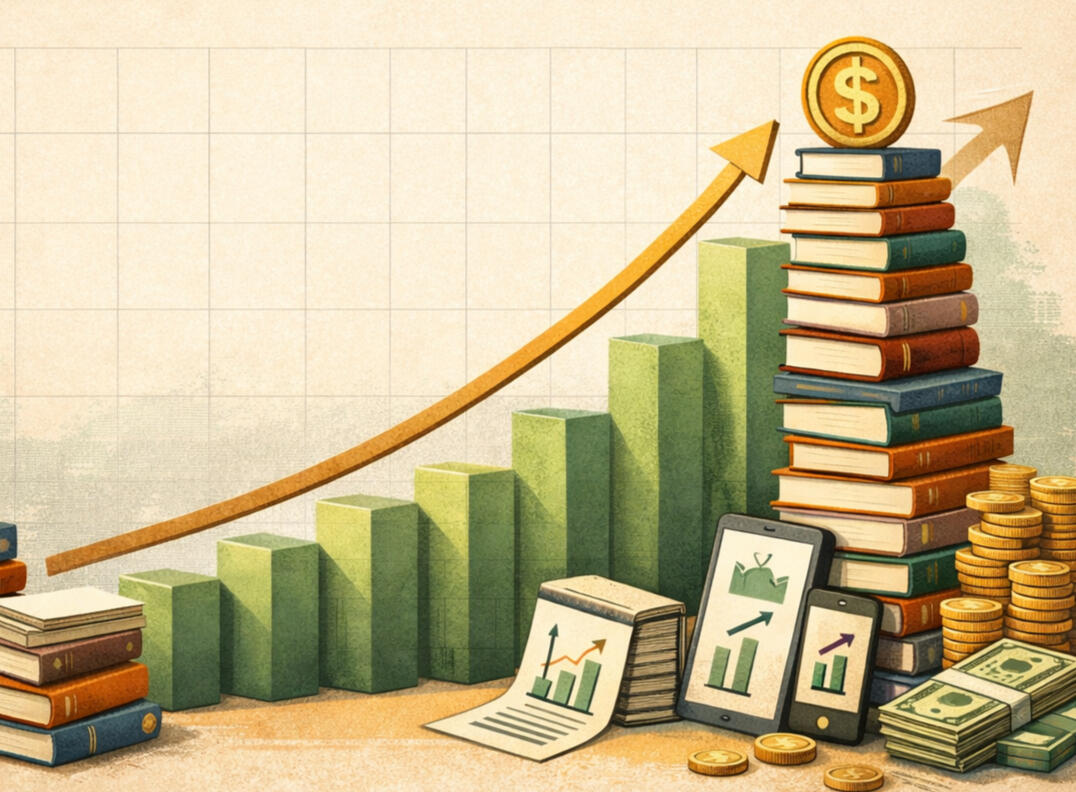
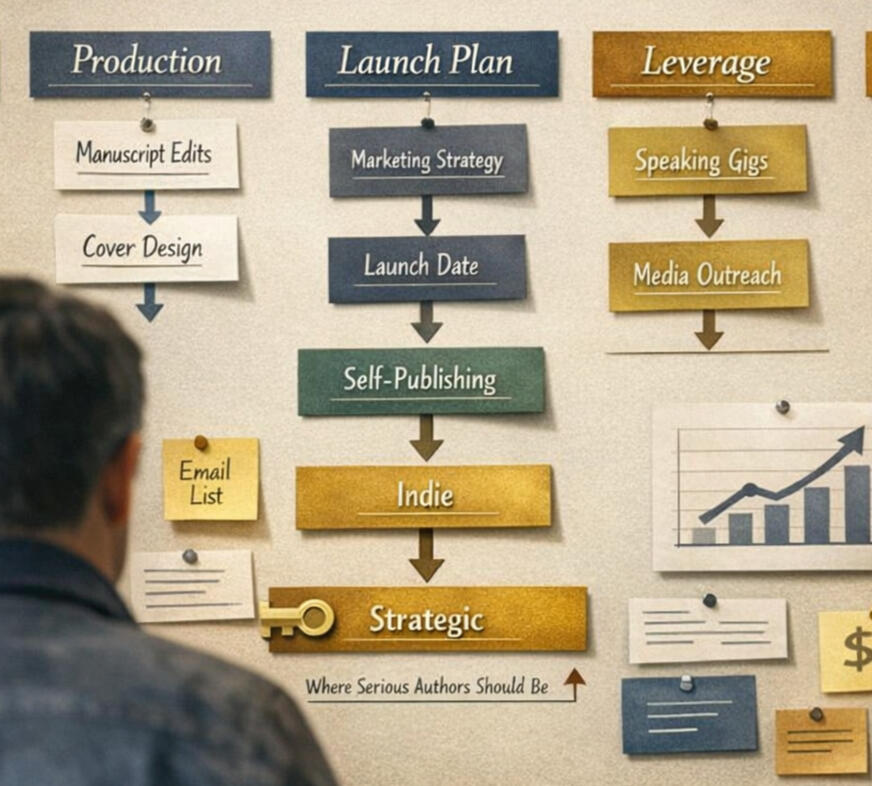
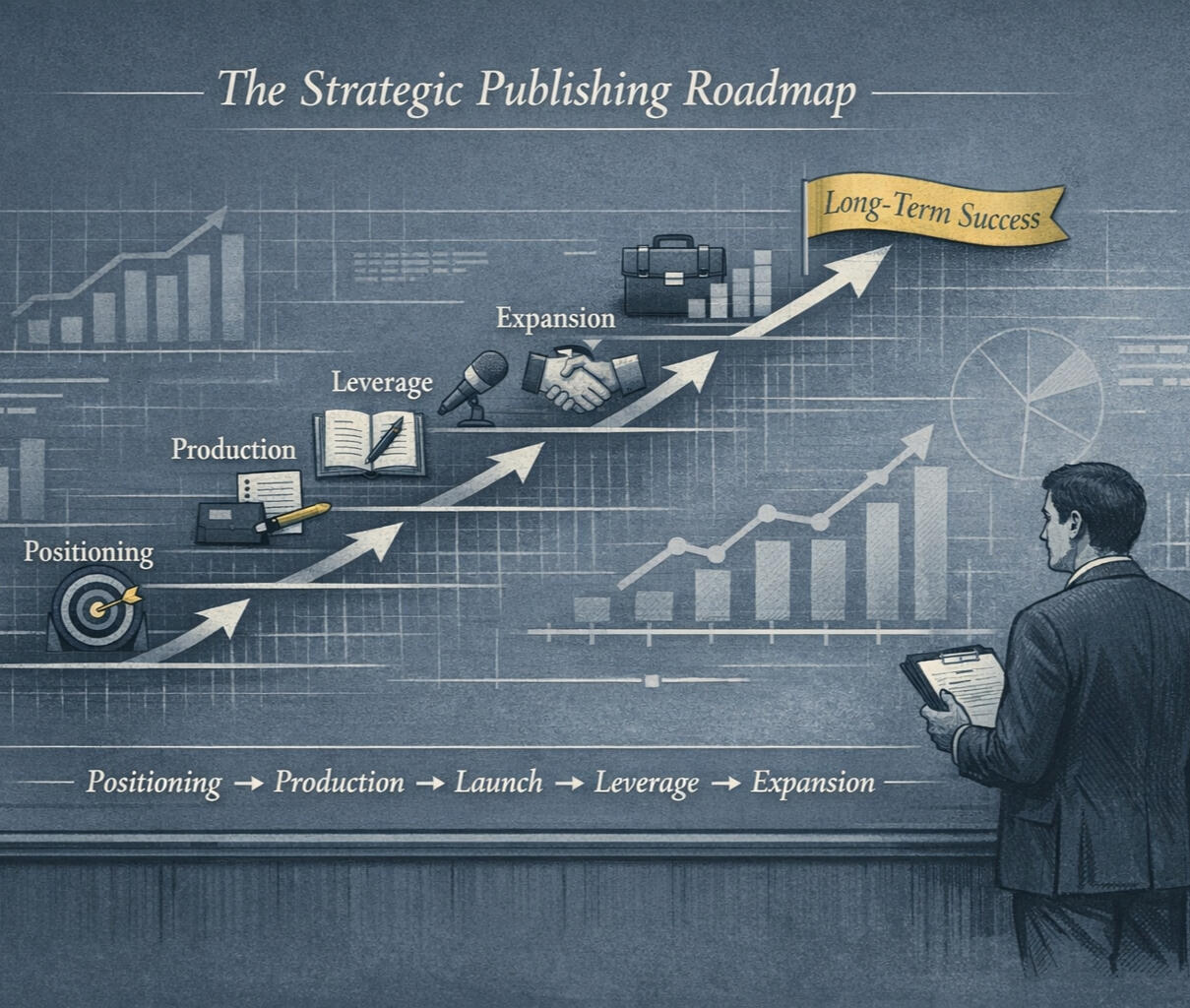
If there’s only one thing I’d like you to take from here it’s that independent publishing isn’t a consolation prize, for many authors with the right strategy, it’s the better deal. Especially for those looking to upgrade from basic self publishing or simply wading through rejections whilst not being published at all.The strategy part is where most authors get stuck and that’s exactly what I’ve been helping authors with for almost 20 years. If you’re ready to stop waiting and start building, let’s talk. If you think you'd benefit from a complimentary strategy call with me, click here or the "Work With Me" button at bottom of this page.
➥Next Article: Your Book Should Be a Million Dollar Asset. Here's Why It's Not:
Home | About | Work With Me | Articles & Insights
© Copyright 2008-2026 Matt Kinsella. All Rights Reserved.